

Michael Triolo, age 37
“Sobriety isn’t just the absence of drugs; it’s the presence of meaning. ”
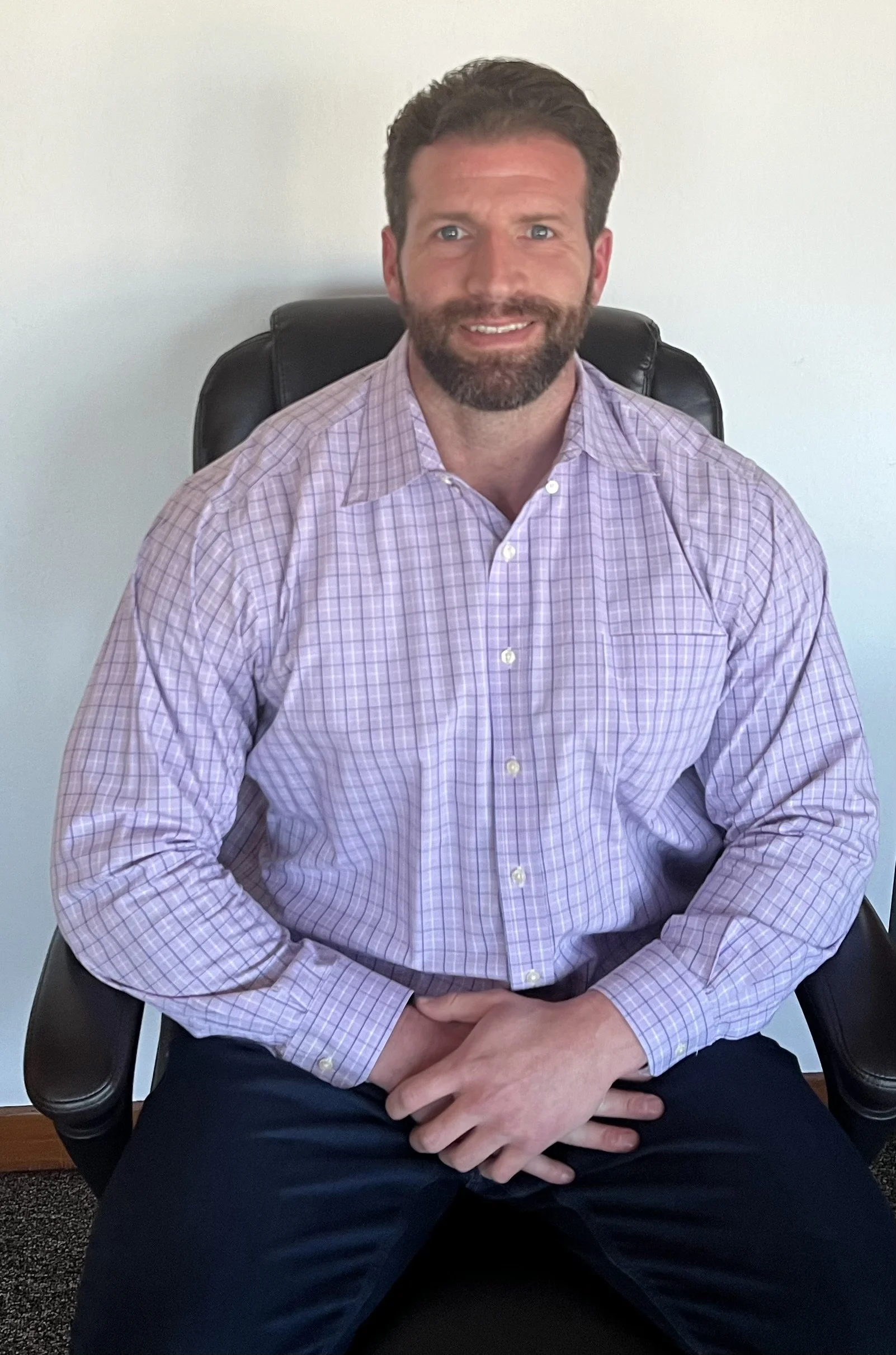
I first used drugs when I was about 12 or 13. My friends and I often hung out together, and one of them had an older brother who had some marijuana. That’s how it started—curiosity and peer pressure. At first, I’m not sure it even affected me, but eventually it gave me something I didn’t realize I was seeking: temporary confidence and relief from the discomfort of being in my own skin. I was young, anxious, uncertain of who I was or what I wanted in life. Even though sports were a big part of my world, drugs became a way to escape the insecurity and confusion of adolescence. I learned that whenever life felt overwhelming, I could turn to substances for a sense of reprieve—and that realization took root early.
Over time, drugs cost me everything—especially time, the one resource we can never get back. I lost years I can’t recover: time that could’ve been spent with family, pursuing goals, or taking care of my physical and mental health. Addiction consumes your life quietly at first, and then completely. What starts as a way to fit in or find relief ends up taking everything that really matters.
My recovery hasn’t been a straight line. It’s been made up of countless small steps—forward and backward. I wanted to be sober long before I understood how to do it. Relapses were painful, but each one taught me something. Over time, I learned what triggered me, what skills I lacked, and what I needed to keep moving forward. Every stage of recovery was a chance to reassess who I was and what I wanted from life. It’s been a long learning process about how to build stability and maintain it, even when circumstances change.
Today, I’ve been sober for 13 years. My anchors are my family and my purpose. My beautiful wife and three daughters are my foundation, along with my parents, who play an active role in our lives. They remind me daily of why sobriety is worth everything. Professionally, I’ve turned my recovery into a way of giving back. I began working at the same program in San Rafael where I got sober, later founded a Sober Living Environment, and have now launched Neuro Recovery, an outpatient program dedicated to helping others rebuild their lives. This project is the culmination of years of experience, education, and dedication. It’s both exciting and humbling—I feel gratitude, fear, and pride all at once. Every morning I wake up thankful that I get to help others while living a meaningful, sober life.
If I could start over, I’d focus on the things that truly helped me gain healthy momentum—sports, supportive relationships, and self-awareness—rather than giving in to impulse or negative thinking. The lessons from the 12 Steps and self-help communities have shown me there is always another path forward, one that doesn’t rely on escape but on growth.
Even with all the progress, life remains full of challenges. Being a husband, father, and business owner comes with constant pressure and self-doubt. I question my decisions at times, juggle responsibilities, and try to stay present for my family. But I am no longer alone in any of it—that’s the difference. My support network, especially my family, holds me steady when life gets hard. As for cravings, the biggest safeguard has been my daughters. When I became a father, something inside me shifted. I knew I had a responsibility to protect them and to model the life I wanted them to see. They’ve only ever known me sober, healthy, and present, and that single thought keeps me grounded every day.
When I think about how to help young people today—including my own kids—I believe the answer lies in education and connection. Our communities need to create safe spaces for youth to talk openly about what they’re feeling and facing. Mental health and substance use challenges often start in isolation. My hope is to normalize honest conversation early—to make home a safe space where my daughters feel comfortable sharing their struggles. The more we understand what our kids are going through, the better we can help them. On a broader scale, strong families, open communication, and community action focused on prevention are what truly protect young people from the easy access to unhealthy substances.
To anyone still caught in addiction: you are not alone. Keeping everything bottled up and trying to face it by yourself only deepens the isolation. I know what it feels like to be trapped inside your own body—to feel that no one understands. But connection changes everything. Talk to someone: a friend, a counselor, a family member, anyone you trust. Reaching out isn’t weakness—it’s the first brave step toward freedom. Recovery is possible, and life on the other side is worth it.
My hope for everyone who enters our program at Neuro Recovery is not only that they learn how to get and stay sober but that they find something deeper—a sense of community, belonging, and purpose. Sobriety isn’t just the absence of drugs; it’s the presence of meaning. When you discover something that pulls you forward, life begins to open up in ways you never could’ve imagined.